
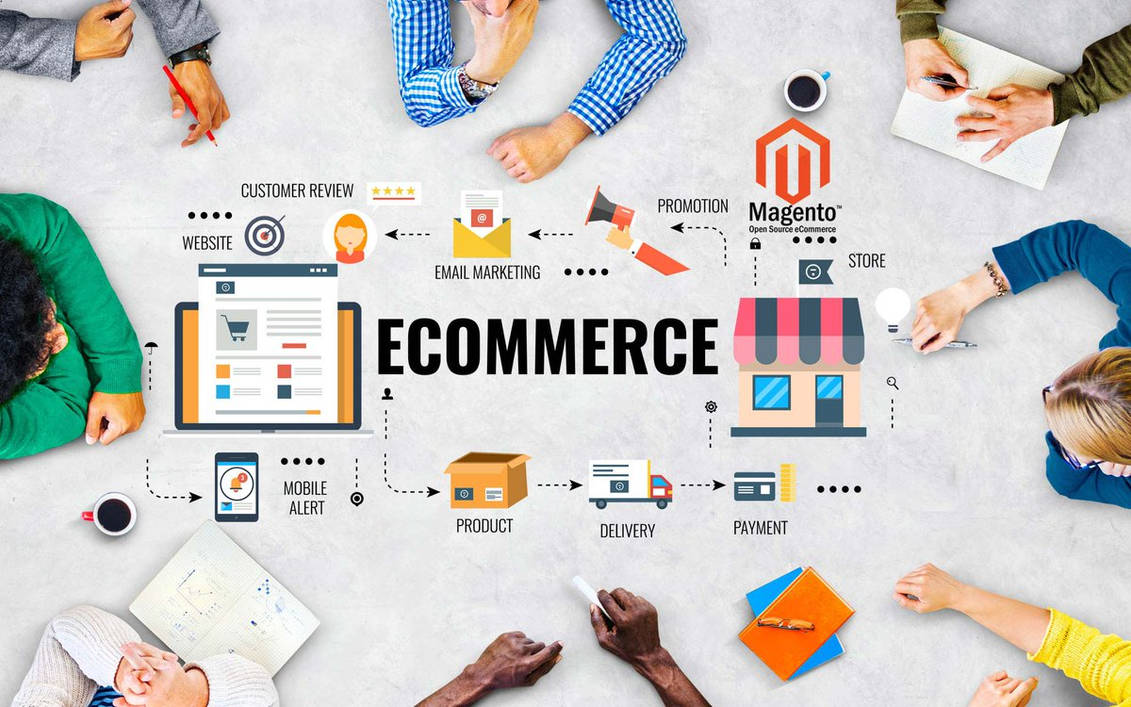
Growing an online store takes more than offering quality products. Customers must find your website, understand your products, and feel confident placing an order. For businesses in Petersburg, FL, a focused digital strategy can help reach local shoppers and customers beyond the area. However, every store has different goals, audiences, and challenges.
Effective expert Ecommerce Marketing brings together search optimization, paid advertising, social media, and customer retention. These channels help shoppers discover products and move toward a purchase. Moreover, clear product information and a simple checkout process can improve the shopping experience.
Rankers City helps businesses understand digital marketing opportunities and build strategies around measurable goals. Store owners should begin by reviewing their current website, customer behavior, and sales performance. Then, they can choose the channels that best fit their needs.
A consistent approach makes it easier to identify what works. It also helps businesses spend their marketing budgets more carefully and build lasting customer relationships.
Understanding the Basics of Ecommerce Marketing
A successful online store starts with a clear understanding of its customers. Identify who buys your products, what problems they want to solve, and how they compare options. This information helps shape your website content and marketing decisions.
For example, a Petersburg store selling home accessories may attract local homeowners and customers across Florida. However, a specialty retailer may need to reach shoppers nationwide. Therefore, the target audience should guide each campaign.
A useful Ecommerce Marketing plan also connects different parts of the buying journey. Search results introduce products, social media builds awareness, and email campaigns encourage repeat purchases. Meanwhile, product pages answer questions and help shoppers make decisions.
Start with these practical steps:
- Define your ideal customer and their buying priorities.
- Research competitors and compare their product offerings.
- Set realistic goals for traffic, sales, and repeat orders.
- Organize products into clear website categories.
- Establish a marketing budget and review spending regularly.
These steps create a strong foundation. Additionally, they help store owners avoid investing in channels without a clear purpose.
Improving Search Visibility and Product Discovery
Search engines help customers find products when they are ready to research or buy. Therefore, product pages should include accurate details and relevant search terms. A reliable Ecommerce Marketing strategy gives search visibility an important role.
Begin with keyword research. Identify the phrases customers use when searching for your products. Then, include relevant terms naturally in page titles, headings, product descriptions, and image alt text.
Product descriptions should explain important features, materials, sizes, and benefits. Avoid copying manufacturer descriptions across multiple pages. Original content gives shoppers more useful information and helps each page stand apart.
Helpful content can also attract people who are still comparing products. For example, buying guides, product comparisons, and care instructions answer common questions.
Consider these improvements:
- Write unique titles and descriptions for key product pages.
- Create clear category pages with useful descriptions.
- Publish buying guides based on customer questions.
- Use descriptive image names and alt text.
- Check mobile usability and page loading speed.
For additional background, the Search Engine Optimization overview explains how search engines help users find relevant websites.
Choosing the Right Ecommerce Marketing Services
Online retailers often need several marketing activities to work together. However, the right services depend on the store’s size, products, and budget. Professional Ecommerce Marketing Services may include SEO, paid advertising, email campaigns, and social media management.
Marketplace sellers may also need specialized support. For example, Amazon ecommerce marketing services can help sellers improve product listings, research keywords, and manage advertising campaigns. These efforts should focus on accurate listings and relevant customer searches.
Stores using Shopify may benefit from technical and promotional guidance. Experienced Shopify marketing experts can review store structure, product pages, customer journeys, and campaign performance. Meanwhile, ecommerce SEO services can help improve organic visibility across product and category pages.
Before choosing a provider, consider these points:
- Review its experience with similar online stores.
- Ask how it measures campaign performance.
- Confirm which services fit your current business goals.
- Request clear reporting and regular communication.
- Compare pricing, deliverables, and expected timelines.
A dependable provider should explain its recommendations without promising guaranteed rankings or sales. Rankers City can be considered when evaluating digital marketing support for online business growth.
Improving Product Pages and the Shopping Experience
Attracting website visitors does not guarantee sales. Customers also need a smooth shopping experience. Confusing navigation, unclear shipping fees, and incomplete product details can cause shoppers to leave.
Start by reviewing your store as a first-time visitor. Can customers find products quickly? Are prices and delivery details easy to understand? Does the checkout work well on mobile devices?
Additionally, use genuine product images and accurate descriptions. Display return policies, payment options, and contact information clearly. These details help customers make informed decisions.
Use the following improvements:
- Add clear product images from multiple angles.
- Display accurate prices, sizes, and stock details.
- Keep navigation simple and category names familiar.
- Explain shipping costs and return policies before checkout.
- Test the checkout process on phones and computers.
Moreover, review customer feedback to identify common problems. Small changes can remove friction and make the store easier to use. Therefore, check important product pages and checkout steps regularly.
Using Paid Advertising and Customer Retention
Paid advertising can help online stores reach shoppers who match their target audience. However, campaigns need clear goals and careful monitoring. A focused Ecommerce Marketing approach starts with products that have strong demand and useful profit margins.
Search ads can reach people looking for specific products. Social media ads can introduce products to new audiences. Meanwhile, remarketing can reconnect with visitors who viewed products but did not purchase.
Customer retention also deserves attention. Email newsletters, order updates, and relevant recommendations can encourage repeat purchases. However, businesses should send useful messages and respect customer consent.
Use these practical actions:
- Set a clear goal for every advertising campaign.
- Test different headlines, images, and audience groups.
- Monitor clicks, conversions, and advertising costs.
- Send relevant emails to customers who opt in.
- Review repeat purchases and customer feedback.
Furthermore, compare advertising costs with actual sales. High traffic does not always mean strong performance. Focus on campaigns that attract suitable shoppers and support profitable orders.
Measuring Results and Refining Your Marketing Plan
A strong Ecommerce Marketing plan needs regular measurement. Store owners should understand which channels attract customers and which pages lead to purchases. Website visits alone cannot show whether marketing efforts support business goals.
Start with a few key metrics. Track conversion rate, average order value, customer acquisition cost, and cart abandonment. Also review revenue from organic search, paid ads, and email campaigns.
For example, social media may generate many visits but few orders. In contrast, organic search may bring fewer visitors who are more likely to buy. Therefore, compare channels by their results rather than traffic alone.
Follow these steps:
- Set monthly targets for qualified traffic and sales.
- Review conversion rates across product categories.
- Identify pages with high exit or abandonment rates.
- Compare campaign spending with generated revenue.
- Test one meaningful website or campaign change at a time.
Additionally, use reports to identify customer behavior patterns. An experienced ecommerce SEO services provider should explain performance in clear terms. Regular reviews help businesses adjust their strategy and focus on useful improvements.
Conclusion
Growing an online store requires more than attracting website visitors. Businesses need useful product information, strong search visibility, and a shopping experience customers can trust. For retailers in Petersburg, FL, these elements can support stronger customer relationships and more consistent sales opportunities.
Start by understanding your audience and improving your most important product pages. Then, choose marketing channels that match your products and budget. Monitor campaign results and make changes based on real customer behavior.
Working with reliable Ecommerce Marketing Services in Petersburg, FL may help businesses organize their campaigns and identify opportunities for improvement. Look for a provider that offers clear communication, practical recommendations, and honest reporting. Avoid promises of instant results. Instead, focus on steady improvements that support long-term business goals.
With careful planning and regular reviews, online retailers can reach relevant shoppers, improve conversions, and build a stronger digital presence.
FAQs
What does ecommerce marketing include?
It includes SEO, paid advertising, social media promotion, email marketing, content creation, and strategies that encourage repeat purchases.
How can a small online store attract more customers?
Improve product pages, target relevant search terms, publish useful content, and test affordable advertising campaigns.
Why is ecommerce SEO important?
Ecommerce SEO helps shoppers find product and category pages through relevant search results. It can support long-term organic traffic.
Do Shopify stores need specialized marketing?
Specialized support can help Shopify stores improve product pages, website navigation, SEO, advertising, and customer retention.
How can online retailers measure marketing success?
Track conversion rates, revenue, average order value, customer acquisition costs, and repeat purchases.