
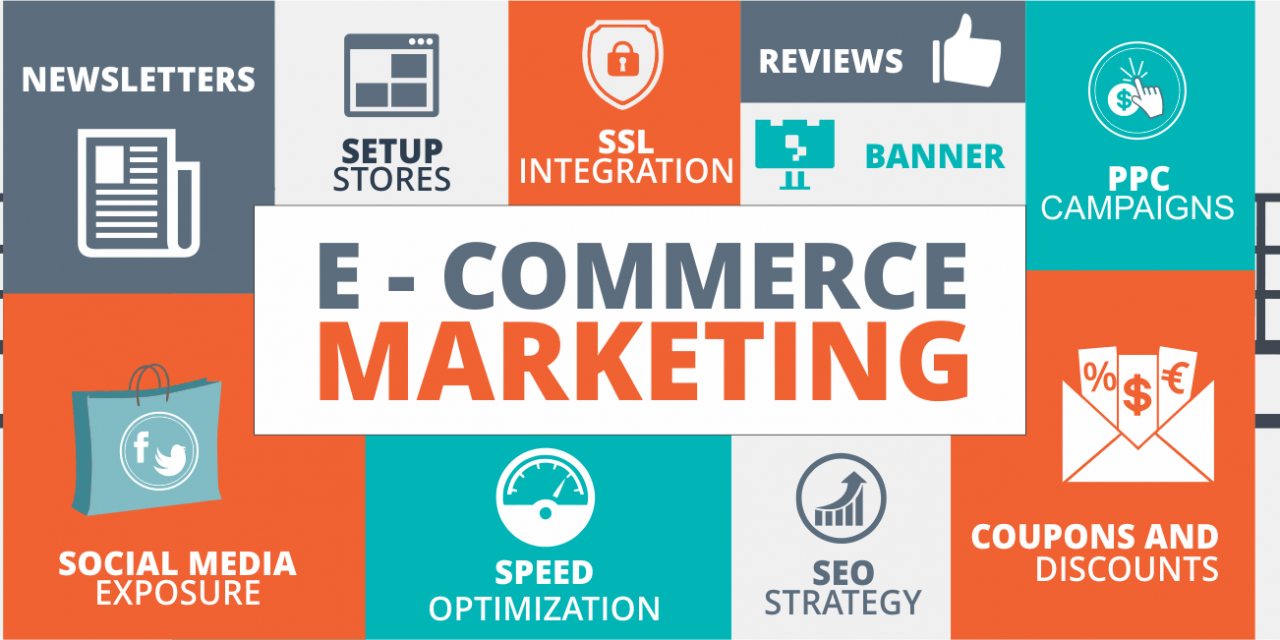
Running an online store takes more than listing products and waiting for orders. Customers need to find your products, understand their value, and trust your business before buying. A clear marketing strategy helps connect your store with the right audience. It also improves visibility, supports customer engagement, and encourages repeat purchases.
Effective expert ecommerce marketing combines search engine optimization, paid advertising, social media, and useful product content. Each channel serves a different purpose. Therefore, businesses should choose methods that match their products, customers, and budgets. Store owners in Petersburg, FL, can use these strategies to reach local shoppers and customers beyond the area.
Rankers City helps businesses understand digital marketing opportunities and build stronger online visibility. However, successful campaigns require more than a large advertising budget. They need clear goals, accurate tracking, and regular improvements. This guide explains practical ways to promote an online store, attract qualified visitors, and turn more product searches into sales.
Understanding the Foundations of Ecommerce Marketing
Reliable ecommerce marketing starts with understanding who buys your products. Identify your ideal customers, their needs, and the problems they want to solve. Then, use that information to shape your website, product pages, and advertising messages.
For example, a store selling home accessories may attract shoppers through visual content. A business selling specialist equipment may need detailed product descriptions and comparison guides. Therefore, your marketing channels should reflect customer behavior.
Start with these five practical steps:
- Define your audience: Review customer interests, locations, age groups, and buying habits.
- Research competitors: Compare their product ranges, pricing, content, and promotional methods.
- Set clear goals: Track targets such as sales, qualified traffic, and average order value.
- Choose suitable channels: Focus on platforms your potential customers already use.
- Create a realistic budget: Divide spending between advertising, content, and website improvements.
Moreover, review your strategy regularly. Customer preferences and market conditions can change. A flexible plan helps your store respond without wasting resources.
Improving Product Visibility Across Online Channels
Professional ecommerce marketing helps customers discover products through search engines, marketplaces, and social platforms. Search visibility matters because shoppers often research products before making a purchase. Your store should provide useful information at every stage.
Begin with clear product titles and descriptions. Include relevant search terms naturally, but avoid repeating the same phrase unnecessarily. Add accurate specifications, original images, pricing, and shipping details. These elements help visitors understand what they are buying.
Consider these five ways to improve product visibility:
- Optimize product pages: Write unique titles, descriptions, and useful image alt text.
- Improve category pages: Organize products into logical groups with descriptive headings.
- Use product photography: Show clear images from multiple angles.
- Publish helpful content: Answer common questions through guides and buying advice.
- Strengthen internal links: Connect related products, categories, and informative articles.
Furthermore, use structured product information where appropriate. It can help search engines interpret details such as price and availability. However, always keep product information accurate and updated.
Using Marketplace and Online Product Promotion
Marketplaces can introduce products to shoppers who already intend to buy. However, competition often remains high. Sellers need strong listings, competitive pricing, and reliable fulfillment practices.
Expert amazon ecommerce marketing services may include listing optimization, keyword research, advertising, and performance reporting. These activities help sellers improve product presentation and manage campaigns. However, marketplace rules and fees should influence every decision.
Use these five practices when promoting products online:
- Research marketplace keywords: Identify search terms customers use for similar products.
- Improve listing content: Explain benefits, specifications, sizes, and important product details.
- Use clear images: Show the product accurately and follow marketplace image rules.
- Monitor advertising costs: Compare campaign spending with sales and profit margins.
- Track customer feedback: Review questions, ratings, and complaints to identify improvements.
Additionally, reliable product marketing services online can support promotion across different channels. For background, the electronic commerce model explains how businesses sell products and services through digital platforms. Choose channels based on your audience rather than trying to appear everywhere.
Growing Sales Through Paid Advertising
Paid advertising can bring targeted visitors to product and category pages. However, campaigns need careful planning. A high click count does not always lead to profitable sales.
Effective ecommerce PPC management begins with clear campaign goals. Decide whether you want more purchases, new customers, or greater awareness. Then, select keywords and audiences that match those goals.
Follow these five campaign practices:
- Choose relevant keywords: Focus on searches that show genuine buying interest.
- Write specific ad copy: Match each advertisement to the product or offer.
- Build focused landing pages: Send visitors to the most relevant product or category.
- Set spending limits: Establish daily budgets and acceptable acquisition costs.
- Review campaign results: Track conversions, revenue, and return on advertising spend.
Moreover, test different headlines, images, and audience groups. Small experiments can reveal which messages perform best. Pause campaigns that spend without producing useful results. Meanwhile, invest more carefully in campaigns that meet your profit targets.
Building Long-Term Growth for an Online Store
Long-term store growth depends on consistent improvements. More website traffic alone will not guarantee better sales. Your store must also provide a simple shopping experience and clear reasons to buy.
An experienced ecommerce growth marketing agency can help coordinate SEO, advertising, content, and conversion improvements. Before choosing a partner, review its process and reporting standards. Ask how it measures performance and explains campaign decisions.
Use these five points when evaluating a marketing partner:
- Check relevant experience: Look for work with businesses similar to yours.
- Review reporting methods: Confirm that reports explain traffic, leads, sales, and costs.
- Ask about strategy: Understand how the agency selects channels and sets priorities.
- Discuss communication: Agree on reporting frequency and contact expectations.
- Clarify ownership: Keep access to your website, advertising accounts, and analytics.
Additionally, improve your store’s checkout process. Reduce unnecessary steps and display shipping costs clearly. Offer familiar payment options when possible. These changes can reduce friction and support customer confidence.
Measuring Results and Improving Ecommerce Marketing
Data-driven ecommerce marketing helps store owners understand which activities produce meaningful results. Instead of relying on assumptions, review customer behavior and sales performance. Analytics tools can show where visitors come from and how they interact with your store.
Track these five important measurements:
- Organic traffic: Monitor visitors who find your store through unpaid search results.
- Conversion rate: Measure the percentage of visitors who complete a purchase.
- Average order value: Review how much customers spend per transaction.
- Customer acquisition cost: Calculate the cost of gaining each new customer.
- Repeat purchase rate: Measure how often existing customers return.
Furthermore, compare results over consistent periods. Seasonal demand can affect sales, so avoid judging campaigns from a single day. Check product performance and customer feedback together. This approach gives you a clearer picture of what needs attention.
Rankers City can help businesses consider these digital marketing factors when planning online growth. Ultimately, useful reporting should guide practical decisions, not simply present large numbers.
Conclusion
Growing an online store requires a thoughtful approach to visibility, customer experience, and performance. Search optimization helps shoppers discover products, while paid campaigns can reach people with specific buying interests. Marketplace listings and useful product content also support customer decisions.
For businesses seeking an expert ecommerce growth marketing agency in Petersburg, FL, clear goals should guide the selection process. Review experience, communication, reporting, and campaign methods before making a commitment. Additionally, keep ownership of your website and advertising accounts.
Remember that sustainable growth rarely comes from one marketing channel. It develops through consistent testing and informed improvements. Track sales, customer behavior, and advertising costs regularly. Then, adjust your strategy based on actual results. With accurate product information and a convenient shopping experience, your store can build trust and encourage repeat business.
FAQs
What does ecommerce marketing include?
It includes SEO, paid advertising, social media promotion, marketplace listings, email campaigns, and website improvements that help online stores attract customers.
Why is SEO important for an ecommerce store?
SEO helps product and category pages appear in relevant search results. It can attract shoppers who are actively researching or comparing products.
Are Amazon marketing services useful for sellers?
They can help improve product listings, keyword targeting, and advertising performance. Results depend on product demand, competition, pricing, and campaign management.
How do I measure ecommerce marketing success?
Track sales, conversion rates, organic traffic, customer acquisition costs, and repeat purchases. These measurements show whether your marketing supports business goals.
How much should an online store spend on marketing?
The right budget depends on profit margins, business goals, competition, and available resources. Start with a manageable amount and increase spending when results justify it.