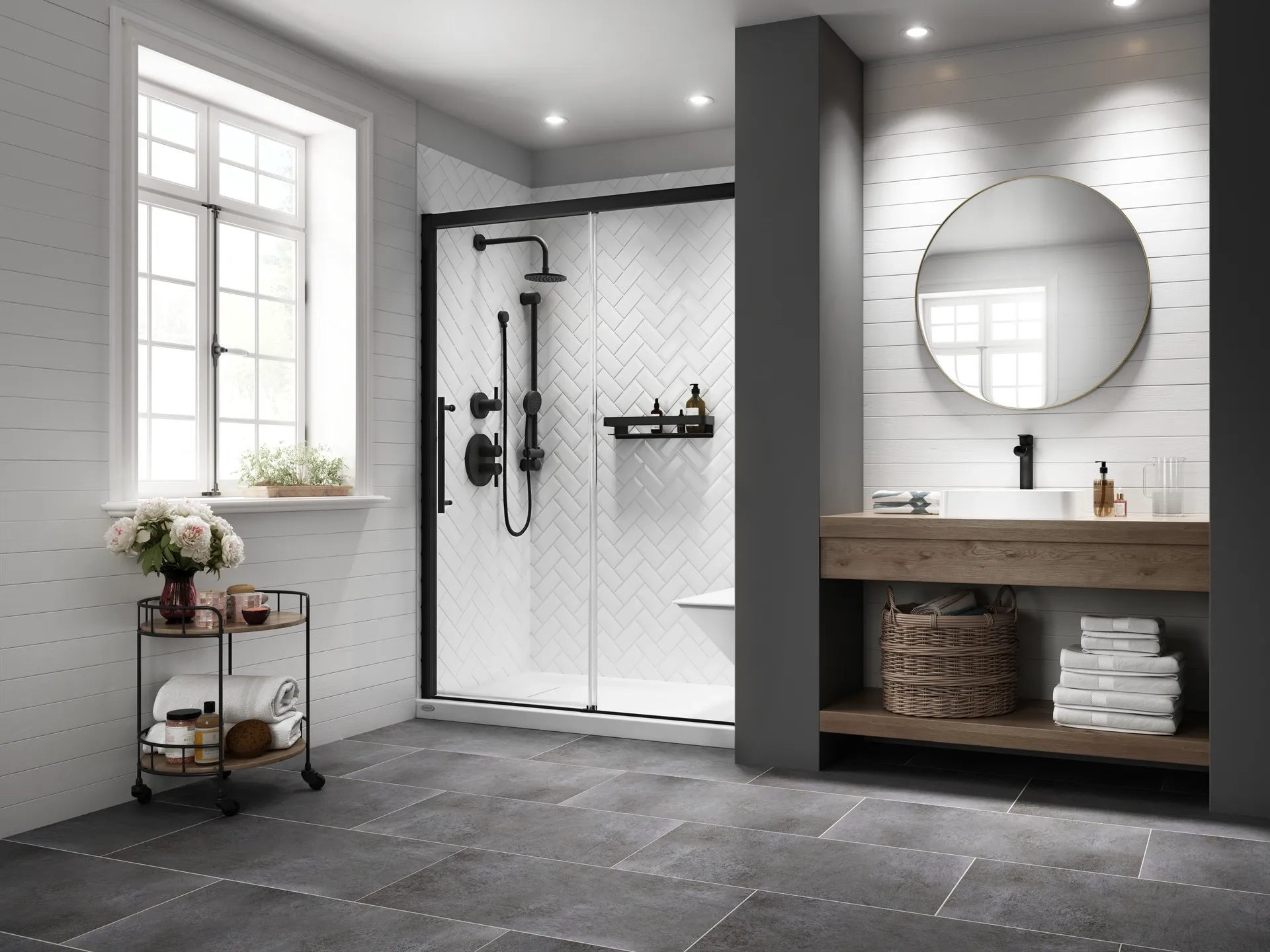
Bathroom safety becomes increasingly important as homeowners age. Traditional bathtubs with high step-over edges can become difficult and dangerous to use, especially for seniors dealing with limited mobility, balance concerns, or joint discomfort. Because of this, many families are now investing in safer bathroom upgrades that support long-term comfort and independence.
At Marathon Bath Systems, homeowners throughout Michigan are choosing modern walk-in tubs because they provide easier access, improved safety, and a more comfortable bathing experience. These specialized tubs are designed to reduce slipping risks while making daily routines much safer and less stressful for seniors and their families.
As accessibility-focused remodeling continues to grow, walk-in tubs have become one of the most practical upgrades for homeowners planning safer aging-in-place living.
Why Seniors Are Choosing Walk-In Tubs
Traditional bathtubs often create safety concerns because they require stepping over high walls while standing on slippery surfaces. For seniors, even a small loss of balance can lead to serious injuries inside the bathroom.
Homeowners searching for Walk-In Tubs for Seniors in Garden City, MI are typically looking for bathing systems that provide easier entry, greater stability, and more independence during daily use. Walk-in tubs feature low-entry doors, built-in seating, grab bars, and slip-resistant flooring that help create a safer bathing environment for older adults.
Many families also choose these systems because they provide peace of mind while helping seniors remain comfortable inside their own homes longer.
How Walk-In Tubs Improve Bathroom Safety
Safety remains one of the biggest reasons homeowners invest in walk-in tubs. Standard tubs are often difficult to enter and exit safely, especially for individuals with arthritis, mobility limitations, or balance issues.
Walk-in tubs reduce these risks by allowing users to enter through a watertight door rather than climbing over a tall tub wall. Built-in seating also allows users to bathe comfortably without standing for long periods.
Additional features like handheld shower systems, textured flooring, and strategically placed grab bars further improve bathroom safety while reducing the risk of slips and falls.
Why Bathtub Upgrades Are Becoming More Popular
Older bathrooms are often not designed with accessibility in mind. As homeowners plan for long-term comfort, many are choosing upgrades that improve both safety and everyday convenience.
Families researching bathtub to shower installation services in Allen Park, MI are often exploring multiple accessibility-focused remodeling options including walk-in tubs and walk-in showers. Both upgrades help modernize outdated bathrooms while improving overall usability and reducing maintenance concerns.
Modern bathroom remodeling is no longer focused only on appearance. Homeowners now prioritize comfort, accessibility, and long-term practicality just as much as visual design.
Features That Make Modern Walk-In Tubs More Comfortable
Today’s walk-in tubs offer a variety of comfort-focused features that go beyond basic bathing functionality. Homeowners can customize their systems with therapeutic upgrades designed to improve relaxation and convenience.
Popular features include hydrotherapy jets, heated seating surfaces, quick-drain systems, anti-scald controls, and handheld shower fixtures. Some models also include wider doors and ergonomic seating for improved accessibility.
These upgrades help create a more relaxing bathing experience while supporting safer daily routines for seniors and homeowners with mobility concerns.
How Professional Installation Protects Long-Term Performance
Installing a walk-in tub requires more than simply replacing an existing bathtub. Plumbing adjustments, waterproof sealing, flooring preparation, and structural support must all be handled properly to ensure long-term durability.
Professional installers understand how to properly align drainage systems, secure watertight seals, and prepare the surrounding bathroom area for safe long-term use. Incorrect installation can lead to leaks, moisture problems, or drainage issues over time.
Working with experienced remodeling professionals helps homeowners avoid costly future repairs while ensuring the system performs properly for years.
Common Signs It May Be Time for a Bathroom Safety Upgrade
Many homeowners wait until an accident or mobility issue occurs before considering bathroom accessibility upgrades. However, planning early often provides better long-term comfort and peace of mind.
Common warning signs include difficulty stepping into a bathtub, fear of slipping, reduced balance, joint pain, or needing assistance during bathing routines. Bathrooms with outdated layouts and limited safety features may also increase accident risks over time.
Installing a walk-in tub before mobility challenges become severe can make daily life safer and more manageable for aging homeowners.
Cost Factors That Affect Walk-In Tub Installation
Walk-in tub pricing varies depending on tub size, accessibility features, plumbing modifications, and customization options. Basic models generally cost less than luxury systems with advanced hydrotherapy or heated seating features.
Additional bathroom modifications such as wider entry access, upgraded flooring, or accessibility improvements may also affect overall project pricing.
Many homeowners view walk-in tubs as a long-term investment because they improve both safety and comfort while helping seniors remain independent inside their homes longer.
Why Accessibility Remodeling Adds Long-Term Home Value
Accessibility-focused bathroom remodeling continues to grow in popularity as more homeowners prioritize aging-in-place living. Safe and modern bathroom upgrades appeal not only to seniors but also to families planning long-term usability.
Bathrooms with accessibility features often stand out because they combine practicality with modern design improvements. Buyers increasingly appreciate homes that already include safer and more functional bathroom layouts.
For homeowners planning future resale, accessibility upgrades can improve both daily comfort and overall property appeal.
FAQs
Are walk-in tubs safer than traditional bathtubs?
Yes. Walk-in tubs are designed with low-entry doors, built-in seating, and slip-resistant features that improve bathroom safety.
Can walk-in tubs fit in smaller bathrooms?
Many walk-in tub models are designed to fit standard bathtub spaces without major layout changes.
How long does walk-in tub installation take?
Most professional installations can be completed within a few days depending on the bathroom layout and plumbing requirements.
Are walk-in tubs good for seniors with mobility issues?
Yes. Walk-in tubs help improve accessibility and reduce slipping risks for seniors and homeowners with mobility limitations.
Do walk-in tubs increase home value?
Accessibility upgrades can improve long-term home appeal and make bathrooms more functional for future buyers.
Conclusion
Walk-in tubs continue to be one of the most valuable bathroom safety upgrades for seniors and homeowners planning long-term accessibility improvements. Their low-entry design, built-in seating, and safety-focused features create a more comfortable and secure bathing experience while reducing common bathroom hazards.
From improved independence to better daily comfort, walk-in tubs provide practical benefits that support safer aging-in-place living. Professional installation also ensures long-term durability and reliable performance for years to come.
For homeowners in Garden City and surrounding Michigan communities, investing in a modern walk-in tub can create a safer, more accessible, and more comfortable bathroom environment for the future.