Looking for a Professional flooring installation in Sterling, VA? Learn costs, material options, permit rules, and how to choose a licensed local contractor.
Sterling sits in Loudoun County where summers are warm and humid, winters are cold and snowy, and the temperature swings from 26 degrees in January to 88 degrees in July. That kind of seasonal variation is hard on floors. Humidity in July climbs past 69 percent, which can warp wood and swell laminate. Winter dryness shrinks gaps between planks. And the freeze-thaw cycle stresses subfloors and foundations.
This guide covers the costs, options, and what to look for in a local flooring contractor. Whether you need new floors for a townhouse near Cascades or a single-family home off Route 7, the decisions you make now will affect how your floors look and perform for the next decade.
Why Sterling Homeowners Invest in Professional Flooring
New floors transform a home. They update dated interiors, improve comfort underfoot, and can even boost resale value. In Sterling’s competitive housing market, where homes in neighborhoods like Potomac Falls and Lowes Island sell quickly, updated flooring helps properties stand out.Top flooring installation in Sterling, VA
According to industry data, flooring installation costs $3 to $12 per square foot on average nationally, with most homeowners spending $1,496 to $4,024 total. In Virginia specifically, costs range from $3.50 to $10 per square foot. For a 500-square-foot living room, that puts the average Sterling project at $1,750 to $5,000 depending on material.
The return on investment varies by material.
Hardwood floors deliver up to a 70 percent return, according to the National Association of Realtors. Luxury vinyl plank (LVP) offers durability at a lower price point. Carpet provides warmth and sound absorption for bedrooms and basements.
Flooring Materials and Options for Northern Virginia’s Climate
Not every flooring material handles Sterling’s humidity and temperature swings the same way.Luxury vinyl plank has become the most popular choice in Sterling because it looks like wood, costs less, and handles moisture without warping. It is ideal for kitchens, bathrooms, and basements where humidity and spills are common. A licensed contractor in Sterling told us that LVP installs have overtaken laminate in the area because homeowners want the warmth of wood without the maintenance headaches.
Engineered hardwood offers a middle ground.
It has a real wood veneer over a plywood core, which makes it more dimensionally stable than solid hardwood. It can handle Sterling’s humidity better than solid wood but still provides the look and feel of real timber. It can be refinished once or twice, which extends its life.
Solid hardwood is the premium option for living rooms and dining areas.
It adds the most resale value and can be refinished multiple times. The trade-off is sensitivity to humidity. In Sterling, where summer humidity reaches 69 percent, solid hardwood needs consistent indoor climate control to prevent gapping and cupping.
Laminate is budget-friendly and easy to install, but it is not waterproof. Spills that sit too long can seep into the core and cause swelling. It works well in dry living areas but should be avoided in bathrooms and kitchens.
Carpet provides warmth and noise reduction. It is popular for bedrooms and basements but can trap moisture and allergens. In humid summer months, carpet in basements is especially prone to mold if the space lacks proper dehumidification.
The Flooring Installation Process Step by Step
A professional flooring job starts long before the first plank goes down. Here is what happens when you hire a flooring contractor in Sterling.
In-Home Consultation and Measurements.
The contractor visits your home, measures each room, and assesses the subfloor condition. They check for moisture issues, uneven surfaces, and existing floor type. In Sterling, they will also ask about your home’s humidity control because that affects material recommendations.
Material Selection and Estimate.
You choose your flooring type, color, and finish. The contractor provides a written estimate with line items for materials, labor, removal of old flooring, underlayment, and trim. Most estimates in Virginia include a 10 percent overage for cuts and waste.
Permit Check.
Most residential flooring replacements in Virginia do not require a building permit. However, structural subfloor modifications or work as part of a larger renovation may need approval from Loudoun County’s Department of Building and Development. Your contractor should advise you if permits are needed.
Old Floor Removal and Prep.
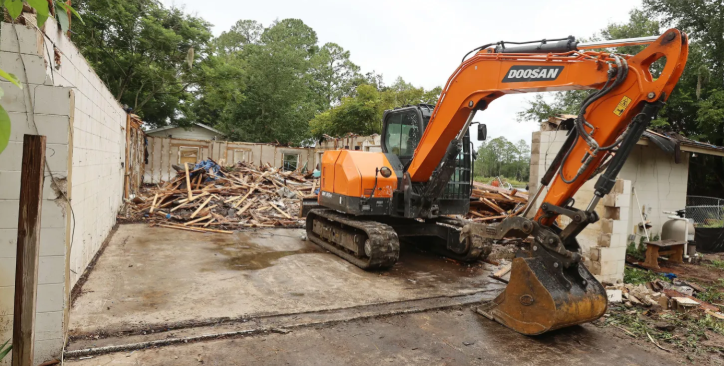
The crew removes existing flooring, disposes of debris, and preps the subfloor. This includes cleaning, leveling, and repairing any damage. Subfloor leveling costs $1 to $3 per square foot if needed.
Underlayment Installation.
Most floating floors like LVP, laminate, and carpet require underlayment for moisture protection, sound dampening, and cushioning. Underlayment costs $0.50 to $1.50 per square foot.Trusted flooring installation in Sterling, VA
Flooring Installation.
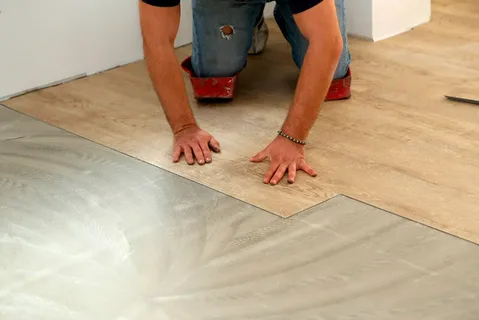
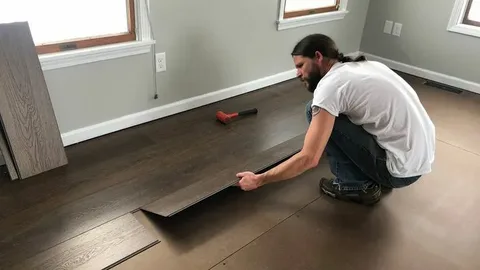
The crew installs the new material according to manufacturer specifications. Hardwood gets nailed or stapled. LVP and laminate click together in a floating system. Tile requires mortar, spacers, and grout. The installation method affects both cost and longevity.
Final Cleanup and Walkthrough.
The crew vacuums, removes protective coverings, and walks through with you to inspect the finish. Any touch-ups get scheduled before final payment.
What Drives Flooring Costs in the Sterling Market
Flooring installation costs in Sterling range from $3.50 to $10 per square foot for most materials. Here is what moves your estimate up or down.
Material Choice.
LVP at $5 to $10 per square foot costs less than engineered hardwood at $6 to $12 or solid hardwood at $8 to $15. Carpet at $3 to $7 per square foot is the budget option. Tile at $6 to $14 per square foot is labor-intensive and costs more.
Square Footage.
Larger jobs often have a lower cost per square foot because fixed setup costs get spread over more area. Small rooms or patch jobs may carry a minimum charge of $500 to $1,000.
Old Floor Removal.
Removing carpet costs $0.50 to $1 per square foot. Glued-down vinyl or tile removal runs $1 to $2 per square foot. Hardwood removal is the most expensive at $2 to $4 per square foot.
Subfloor Condition.
Leveling, patching, or replacing subflooring adds $1 to $3 per square foot. Homes with crawl spaces or moisture issues may need additional prep.
Stairs and Transitions.
Installing flooring on stairs costs $11 to $160 per step depending on material. Custom transitions between flooring types add $50 to $200 each.
Furniture Moving.
Contractors charge $60 to $120 per hour to move furniture. You can save money by clearing rooms yourself before the crew arrives.
Seasonal Demand.
Spring and early fall are peak flooring seasons in Northern Virginia. Contractors book up fast. Winter and late summer may offer better availability and pricing.Right flooring installation in Sterling, VA
A realistic budget for a 500-square-foot LVP installation in Sterling is $2,500 to $4,000 including removal of old flooring and underlayment. Engineered hardwood for the same space runs $3,500 to $6,000. Solid hardwood reaches $5,000 to $8,000.
How to Choose the Right Flooring Contractor in Sterling
Flooring installation is a significant investment, and the quality of the install determines whether your floors last 20 years or need repairs in 2. Here is what separates a professional from a weekend installer.
Virginia DPOR License.
Virginia requires flooring contractors performing work above $1,000 to hold a contractor license from the Department of Professional and Occupational Regulation. Class B licenses cover projects up to $120,000, which includes most residential flooring jobs. Class C covers up to $10,000. Verify any license at dpor.virginia.gov before hiring.
Insurance and Bonding.
Licensed contractors must carry general liability insurance with minimum limits of $50,000 per occurrence. Class A and B contractors in some Northern Virginia jurisdictions must also carry a surety bond. Ask for certificates before work begins.
Local Experience.
A contractor who has installed floors in Sterling knows the common subfloor issues in Loudoun County homes, understands how humidity affects material performance, and can recommend products that hold up in this climate. Ask for photos of completed jobs in neighborhoods like Countryside, Sugarland Run, or Dulles Town Center.
Written Contract and Warranty.
The contract should specify materials, labor, timeline, payment schedule, and warranty terms. Reputable flooring companies typically warranty installation workmanship for 1 to 2 years.
Ask for three local references and call them.
Ask about whether the floors still look good after a year, if the crew was on time, and whether the final bill matched the estimate. The answers will tell you more than any website photo gallery.
Frequently Asked Questions
How much does flooring installation cost in Sterling, VA?
Most flooring projects in Sterling run $3.50 to $10 per square foot. LVP costs $5 to $10 per square foot installed. Engineered hardwood runs $6 to $12. Solid hardwood reaches $8 to $15.
Do I need a permit to install new flooring in Loudoun County?
Most residential flooring replacements do not require a building permit in Loudoun County. Structural subfloor modifications or flooring work as part of a larger renovation may need approval.
What is the best flooring for Sterling’s humid summers?
Luxury vinyl plank is the best all-around choice because it is waterproof, handles humidity, and looks like wood. Engineered hardwood works for living areas if you maintain indoor humidity between 30 and 50 percent.
How long does flooring installation take in Sterling?
A single room takes 1 to 3 days. A whole-home project takes 5 to 10 days depending on material and square footage. LVP installs faster than tile.
Should I choose LVP or engineered hardwood for my Sterling home?
LVP costs less, is waterproof, and installs faster. Engineered hardwood adds more resale value, feels warmer underfoot, and can be refinished. Choose LVP for kitchens, bathrooms, and basements.
How does Sterling’s climate affect hardwood floors?
Summer humidity at 69 percent can cause solid hardwood to expand, cup, and warp. Winter dryness shrinks planks and creates gaps. Engineered hardwood handles these swings better because its plywood core resists dimensional change.
How do I verify a flooring contractor’s license in Virginia?
Visit the Virginia Department of Professional and Occupational Regulation website at dpor.virginia.gov and search by company name or license number. Confirm the license class matches your project size and that the license is active.
What payment terms are normal for a flooring contractor in Virginia?
Milestone payments are standard: a deposit for materials at contract signing, then the balance upon completion. Virginia law requires licensed contractors to carry insurance.
Can I install flooring myself to save money?
DIY installation saves labor costs but requires proper tools, subfloor prep, and skill. Improper installation voids warranties and can cause buckling, gaps, or noise. For hardwood, tile, or large areas, hiring a professional is worth the investment.
What should I look for in a flooring estimate?
A detailed estimate breaks out materials, labor, removal of old flooring, underlayment, trim, and any subfloor prep. Beware of vague quotes or prices far below other bids.
How often should I clean and maintain my new floors?
Vacuum or sweep LVP and hardwood weekly. Clean spills immediately. Use manufacturer-recommended cleaners. Have hardwood professionally cleaned and refinished every 5 to 10 years. Reseal tile grout annually.
What is the difference between click-lock and glue-down LVP?
Click-lock LVP floats over the subfloor and is easier to install and replace. Glue-down LVP adheres directly to the subfloor, which makes it more stable and better for high-traffic commercial areas. Affordable flooring installation in Sterling, VA
Conclusion
You have measured your rooms, saved your inspiration photos, and set a rough budget. The next move is finding a contractor who can assess your subfloor, recommend the right material for Sterling’s climate, and complete the installation to manufacturer specifications. Start with a detailed written estimate that breaks out materials, labor, removal, and prep. Ask about their experience with Loudoun County homes and whether they warranty their installation work.