El Paso is legendary for its arid climate, intense sunshine, and low humidity. For many residents, the idea of mold growth seems like a problem reserved for tropical environments or humid coastal cities. However, mold is a biological opportunist. It doesn’t need a rainforest to thrive; it only needs a small amount of moisture, a food source (like drywall or wood), and the right temperature.
In the high-desert landscape of West Texas and Southern New Mexico, the causes of indoor mold are often distinct from those in other regions. From the unique mechanics of evaporative cooling systems to the violent nature of the North American Monsoon, homes in El Paso face specific environmental stressors. When moisture enters a home in this heat, it creates a “greenhouse effect” that can trigger a massive mold colony in as little as 24 to 48 hours. Understanding these triggers is essential for effective residential mold remediation and long-term property protection.
The Science of Mold in Arid Climates
Mold spores are everywhere, both indoors and outdoors. In a dry climate like El Paso, these spores usually remain dormant because there isn’t enough water to “activate” them. However, our modern homes are built with materials that mold loves – cellulose-based products like drywall, wallpaper, carpet backing, and wood framing.
The moment a moisture source is introduced – whether through a sudden flash flood or a slow, hidden plumbing leak – those dormant spores begin to grow. Because our homes are often kept cool while the outside temperature soars above 100°F, the temperature differential can cause condensation to form in hidden areas, providing the perfect breeding ground for black mold cleanup in Las Cruces, NM, needs.
The “Swamp Cooler” Dilemma: Evaporative Cooling Risks
Perhaps the most common cause of mold in El Paso and Las Cruces is the evaporative cooler, or “swamp cooler.” While energy-efficient and effective in low humidity, these units work by intentionally adding moisture to the air.
The Mechanism of Humidity
A swamp cooler pulls hot, dry air through water-saturated pads. If the home is not properly ventilated—meaning windows are not cracked precisely to allow air to escape – the indoor relative humidity can spike. When humidity levels exceed 60%, mold can begin growing on porous surfaces like window sills, ceilings, and even inside closets. This is where Complete Fire & Water Restoration often steps in to assess humidity damage before it compromises the structural integrity of the home.
Ductwork Condensation
The cool, moist air moving through metal ductwork can cause condensation if the ducts are located in a hot attic. This standing water inside the vents is a primary cause of musty odors. If you smell something “earthy” when you turn on your cooling, it is a strong signal that you need a professional mold removal assessment for your ventilation system.
Monsoon Season and Flash Flood Intrusion
The North American Monsoon brings a dramatic shift in weather to the El Paso region between July and September. These storms are characterized by intense, localized downpours that can drop inches of rain in less than an hour.
Roof Ponding and Scupper Failures
Many homes in the region feature flat or low-slope roofs. If the drainage points (scuppers) are clogged with desert dust or debris, water “ponds” on the roof. The weight and pressure eventually force water through the roofing membrane, leading to saturated ceilings. Because the attic space is extremely hot, this trapped moisture creates a perfect incubator for mold.
Foundation Seepage
Desert soil is often hard-packed and does not absorb water quickly. During a flash flood, water can pool against the home’s foundation. In older adobe or masonry homes, this water can be “wicked” upward through the porous walls. Emergency mold removal is often required following these events because the volume of water is too great for standard household fans to handle. Complete Fire & Water Restoration specializes in rapid drying techniques that stop these spores before they can colonize.
Hard Water and the “Hidden” Pinhole Leak
El Paso’s water supply is notably high in minerals (hard water). Over time, these minerals can lead to scaling and corrosion within copper and galvanized plumbing lines.
The Danger of Slow Leaks
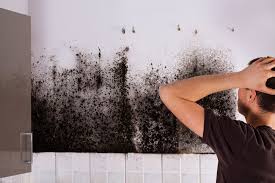
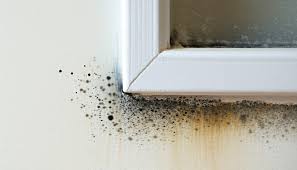
Unlike a burst pipe, which is noticed immediately, a “pinhole leak” can drip slowly inside a wall cavity for months. The moisture feeds the backside of the drywall, allowing a colony of black mold to flourish completely out of sight. Homeowners often only realize there is a problem when they see a faint yellow stain or notice a soft spot on the baseboard.
Integrated Mold and Water Damage Repair
In these cases, mold and water damage repair must happen simultaneously. You cannot simply remove the mold; you must also address the plumbing failure and dry the structural studs. Certified mold removal experts use thermal imaging cameras to trace the path of the water behind the wall without having to tear down every piece of drywall. At Complete Fire & Water Restoration, our team is trained to identify these invisible moisture paths to ensure a total cleanup.
Poor Attic and Crawlspace Ventilation
In the pursuit of energy efficiency, many homes in Southern New Mexico are “sealed” too tightly. While this keeps the heat out, it also traps moisture generated inside the home from cooking, showering, and laundry.
The “Stack Effect”
Heat rises, and with it goes moisture. If an attic is not properly vented, that moisture collects against the underside of the roof deck. During the winter months, when the roof deck is cold, this moisture turns into frost or condensation. As it melts, it drips onto the insulation, leading to hidden mold growth that affects the air quality of the entire home.
Why Professional Mold Remediation is Necessary
Many homeowners attempt to solve a mold problem using bleach and a scrub brush. In the restoration industry, this is known to be ineffective and potentially dangerous.
The Bleach Myth
Bleach is mostly water. When you apply it to a porous material like drywall, the chlorine stays on the surface, but the water sinks in, actually providing more fuel for the mold roots (mycelium) to grow deeper. Professional mold removal in Horizon, TX, requires the physical removal of the contaminated material under negative air pressure.
Containment and Spore Control
The biggest risk during mold cleanup is “cross-contamination.” If you scrub mold without a containment barrier, you release millions of spores into the air, which are then sucked into your HVAC system and spread to every other room. Complete Fire & Water Restoration utilizes advanced containment protocols and HEPA air scrubbers to keep your family safe throughout the remediation process.
The Role of Mold Inspection and Testing
If you suspect mold but cannot see it, mold inspection and testing are your first line of defense.
Air Sampling: We compare the indoor spore count to the outdoor spore count. If the indoor levels are significantly higher, it proves there is an active mold colony hidden within the home.
Surface Sampling: This confirms the genus of the mold. Identifying the type of mold helps us determine the level of risk and the necessary PPE (Personal Protective Equipment) for the technicians.
Moisture Mapping: Using infrared technology, we identify the exact source of the moisture so that once the mold is gone, it stays gone.
Conclusion
Mold in El Paso is a “hidden” threat. Because we don’t expect it, we often ignore the early warning signs until the damage is extensive. Whether the cause is a malfunctioning swamp cooler, a monsoon-damaged roof, or a silent pipe leak, the result is the same: a compromised home and potential health risks for your family.
At Complete Fire & Water Restoration, we are your local mold remediation company dedicated to the Horizon and El Paso community. We combine high-tech mold inspection and testing with proven remediation techniques to ensure your desert home stays as dry as the landscape outside.
Don’t wait for a musty smell to become a major repair. Contact Complete Fire & Water Restoration today for an expert mold assessment and take control of your indoor air quality.
Frequently Asked Questions (FAQs)
Why is mold growing in my home if El Paso is a desert?
Mold doesn’t care about the outdoor humidity; it only cares about the humidity inside your walls. Between swamp coolers adding moisture to the air and monsoon rain leaking through roofs, desert homes often have high “micro-climates” of moisture that allow mold to grow regardless of the dry weather outside.
How do I identify mold vs. simple dirt or dust?
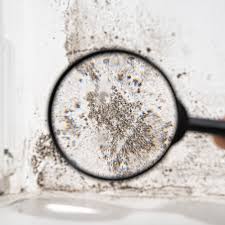
Mold usually has an irregular, “fuzzy” or “slimy” appearance and can be black, green, white, or even orange. A key indicator is a persistent, musty odor that doesn’t go away with cleaning. If you see spots that reappear after being wiped down, you likely need a professional mold removal assessment.
Is black mold more dangerous than other types?
While “Toxic Black Mold” (Stachybotrys chartarum) is the most famous, many types of mold can cause respiratory issues, skin irritation, and allergic reactions. No mold should be ignored. Any mold growing indoors is a sign of a moisture problem that needs residential mold remediation.
Can I just paint over the mold?
No. Painting over mold is like putting a Band-Aid on a deep infection. The mold will continue to eat the drywall behind the paint, eventually causing the paint to bubble and peel. The only solution is to remove the contaminated material and fix the moisture source.
What does the residential mold remediation process look like?
The process includes containment, air scrubbing, removal of contaminated materials like drywall, and thorough sanitization of the structural studs. Complete Fire & Water Restoration ensures that every step is documented for your peace of mind and insurance requirements.
How much does a local mold remediation company cost?
The cost varies based on the size of the affected area and whether structural drying is needed. However, early intervention is always cheaper. Small black mold cleanup projects are far less expensive than “whole-house” remediation required after months of neglect.