Reliable new construction electrical wiring, panel setup, and modern electrical system installation for homes in Johnston RI and Warwick RI.
Modern homes rely heavily on advanced electrical systems to support everyday comfort, energy efficiency, safety, and technology integration. From lighting systems and HVAC equipment to kitchen appliances, home offices, entertainment systems, and electric vehicle charging stations, today’s homes require carefully planned electrical infrastructure. A properly designed wiring system helps homeowners avoid future electrical problems while improving long-term performance and convenience. ABN Electric LLC works with homeowners, builders, and developers to create dependable electrical systems that meet modern residential standards and future energy demands.
Why New Construction Electrical Wiring Services in Johnston RI Require Careful Planning
Professional New construction electrical wiring services in Johnston RI involve much more than simply running wires through walls. Every new home requires a customized electrical plan designed around the property layout, electrical load requirements, appliance placement, lighting goals, and future expansion possibilities.
Careful planning helps ensure the home can safely support modern electrical usage without overloaded circuits or insufficient power distribution. Electricians evaluate room usage, kitchen layouts, HVAC demands, smart technology integration, and potential future upgrades before installation begins.
Modern electrical wiring systems must also comply with updated electrical codes and safety standards. Proper planning helps reduce inspection issues while improving the long-term safety and reliability of the property.
How New House Electrical System Setup in Warwick RI Supports Modern Living
A professionally designed New house electrical system setup in Warwick RI provides homeowners with a safer and more efficient living environment. Modern electrical systems are expected to support far more technology and electrical equipment than homes built decades ago.
New homes often include advanced lighting systems, smart home controls, home office setups, security systems, entertainment equipment, and energy-efficient appliances. Without proper electrical planning, homeowners may eventually experience overloaded circuits, limited outlet availability, or reduced electrical performance.
Professional electrical system setup focuses on balancing electrical loads throughout the property while creating flexibility for future upgrades. Dedicated appliance circuits, modern breaker panels, surge protection systems, and strategically placed outlets all contribute to better long-term functionality.
Creating a Detailed Electrical Layout Before Construction Begins
One of the most important steps in any new construction wiring project is developing a detailed electrical layout before framing and installation work begins. Proper planning allows electricians to position outlets, switches, lighting fixtures, and circuits based on how the home will actually be used.
Kitchen areas require special attention because they typically contain multiple high-demand appliances operating simultaneously. Bedrooms, living spaces, offices, and entertainment rooms may also require additional outlets and dedicated circuits to support modern electronics and charging devices.
Outdoor electrical planning is equally important. Homeowners increasingly request exterior lighting systems, security lighting, landscape lighting, and outdoor entertainment areas that require reliable electrical infrastructure.
Planning ahead helps avoid expensive modifications later in the construction process.
Installing Modern Electrical Panels for Better Performance
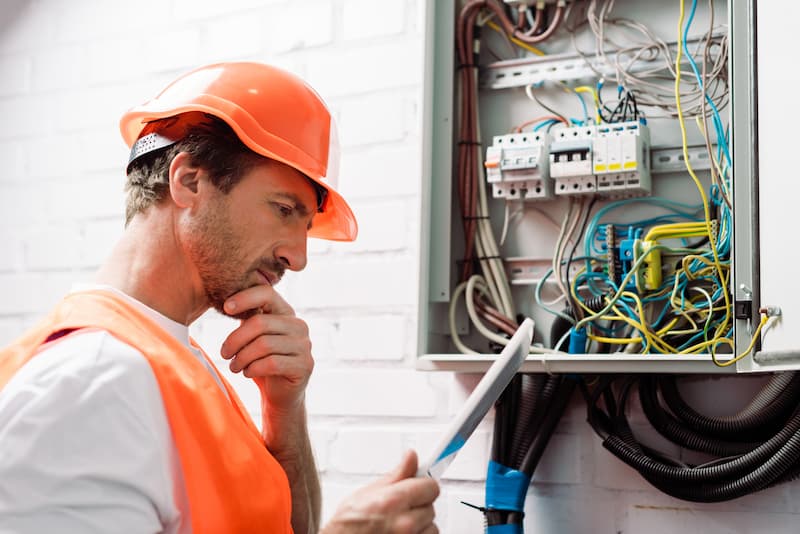
Electrical panels serve as the central control point for the entire home’s electrical system. Choosing the correct panel size and configuration is critical for maintaining safe and efficient electrical distribution throughout the property.
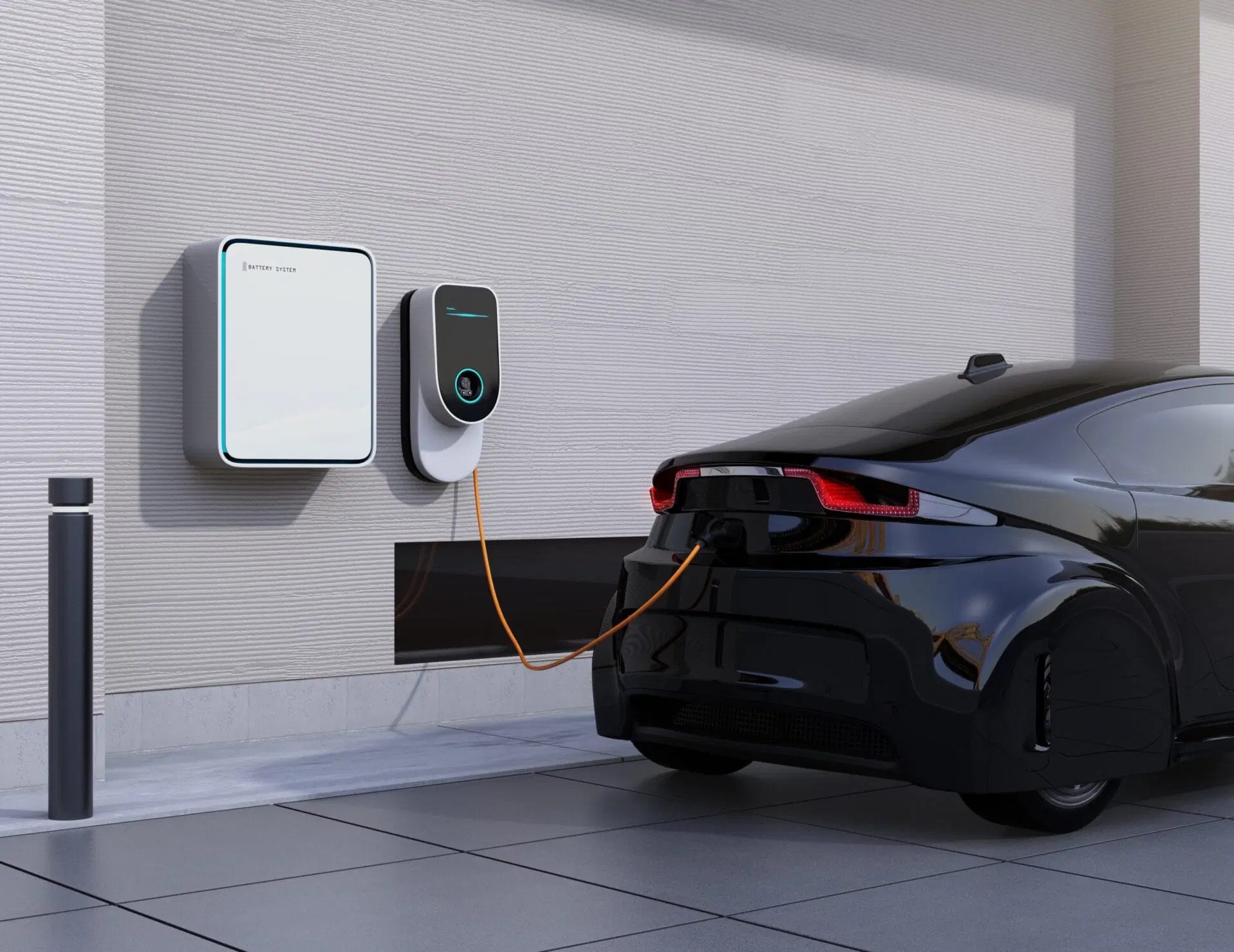
Modern homes typically require larger electrical panels than older properties because of increased energy demands. HVAC systems, kitchen appliances, EV chargers, laundry equipment, and smart technology all contribute to higher electrical loads.
Professional electricians carefully calculate electrical demand requirements to ensure the panel can support both current and future power needs safely. Upgrading panel capacity during construction is far easier and more cost-effective than making major modifications later.
Prioritizing Energy Efficiency During Wiring Installation
Energy efficiency has become a major focus for modern residential construction projects. Well-designed electrical systems help homeowners reduce long-term energy usage while improving comfort and convenience throughout the home.
LED lighting systems, smart switches, programmable controls, and efficient appliance circuits all contribute to lower utility costs and improved energy management. Electricians can also recommend dedicated circuits and optimized wiring configurations that reduce unnecessary electrical strain.
Smart home integration is another growing priority for homeowners. Modern electrical wiring should support future automation systems, security upgrades, climate control systems, and connected home technology without requiring extensive future rewiring.
Using Dedicated Circuits for High-Demand Appliances
Dedicated circuits are essential for maintaining safe electrical performance in modern homes. Large appliances such as refrigerators, ovens, HVAC systems, microwaves, washing machines, dryers, and EV chargers should operate on separate circuits to prevent overloads.
Without dedicated circuits, appliances may compete for electrical capacity, increasing the likelihood of breaker trips, overheating, and reduced appliance performance.
Professional electricians evaluate appliance specifications carefully during the planning stage to ensure proper circuit sizing and electrical distribution throughout the property.
Dedicated circuits also improve safety by reducing strain on shared electrical pathways.
Planning for Future Electrical Expansion
One of the most overlooked aspects of new construction electrical planning is preparing for future upgrades and changing electrical demands. Homeowners often add new appliances, home office equipment, entertainment systems, or EV chargers years after construction is completed.
Installing additional conduit pathways, reserving panel space, and planning extra circuit capacity during initial construction can make future upgrades far easier and less expensive.
Forward-thinking electrical design also helps homeowners adapt to emerging technology without major system modifications later.
The Importance of Proper Grounding and Surge Protection
Grounding systems play a critical role in protecting both homeowners and electrical equipment from dangerous electrical faults. Proper grounding helps stabilize voltage levels while reducing the risk of electrical shock and equipment damage.
Surge protection systems are becoming increasingly important in modern homes because many appliances and electronics are highly sensitive to voltage fluctuations. Whole-home surge protection helps shield valuable devices from power surges caused by storms, utility issues, or internal electrical problems.
Including these protective systems during new construction improves overall electrical safety and long-term equipment reliability.
Why Professional Code Compliance Matters
Electrical codes exist to protect homeowners, contractors, and properties from unsafe electrical conditions. Professional electricians stay updated on evolving building codes, safety regulations, and inspection requirements to ensure installations meet all local standards.
Code compliance affects everything from wire sizing and breaker selection to outlet spacing, grounding methods, and smoke detector placement. Failing to meet electrical code requirements can create inspection delays, safety concerns, and costly corrections later.
Experienced electricians understand how to complete installations efficiently while maintaining full compliance throughout the project.
Common Electrical Mistakes During New Construction
Some homeowners attempt to reduce costs by underestimating future electrical needs during construction. Insufficient outlet placement, limited panel capacity, and inadequate lighting planning can create long-term frustration and expensive upgrades later.
Another common mistake involves failing to coordinate electrical planning with other construction phases. HVAC systems, plumbing layouts, cabinetry placement, and structural framing all influence electrical installation requirements.
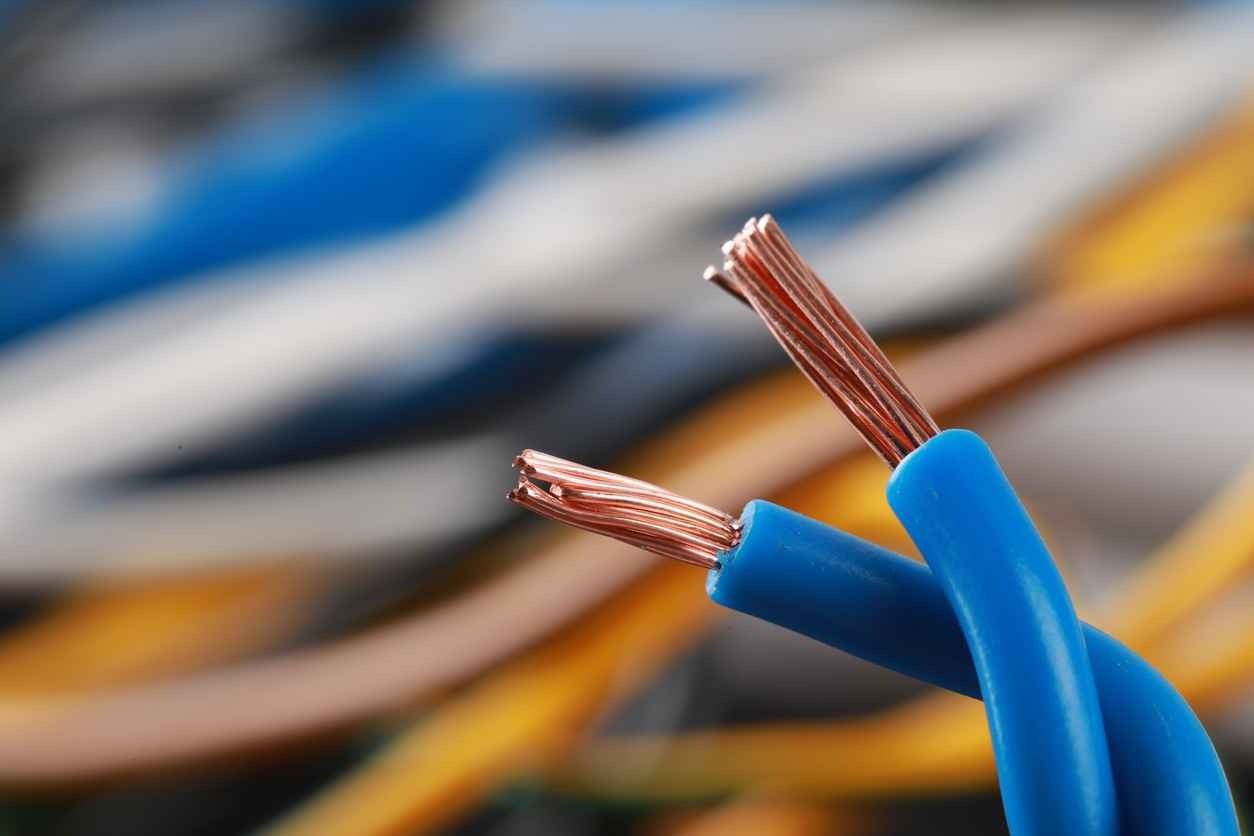
Poor-quality wiring materials or rushed installation practices may also create future reliability and safety concerns. Investing in professional workmanship helps reduce the likelihood of electrical failures over time.
How Proper Wiring Improves Home Value
Modern electrical systems contribute significantly to overall property value. Homebuyers increasingly prioritize homes with updated electrical infrastructure capable of supporting smart technology, energy efficiency, EV charging, and modern appliances.
Well-planned electrical systems also improve convenience, comfort, and long-term maintenance reliability. Properties with professionally installed wiring systems often experience fewer electrical problems and lower future upgrade costs.
Energy-efficient lighting, advanced electrical panels, and smart technology integration can also increase buyer interest in competitive housing markets.
Safety Considerations During Electrical Installation
Electrical safety should remain a top priority throughout every stage of construction. Professional electricians follow strict installation procedures to ensure wiring systems remain secure, properly insulated, and safely distributed throughout the property.
Electrical components must be protected from moisture exposure, physical damage, and improper connections during installation. Careful wire routing, secure mounting practices, and thorough system testing all contribute to safer long-term operation.
Final inspections and testing procedures help confirm the system operates correctly before homeowners move into the property.
Expert Recommendations for Homeowners and Builders
Homeowners should work closely with electricians during the planning stage to ensure the electrical system matches both current and future lifestyle needs. Discussing appliance plans, technology preferences, lighting goals, and future upgrades early helps create a more efficient design.
Builders should also coordinate electrical installation schedules carefully with framing, insulation, plumbing, and finishing work to avoid construction delays.
Investing in higher-quality electrical materials and professional installation practices may increase upfront costs slightly, but it often reduces future maintenance expenses and improves long-term system reliability.
Frequently Asked Questions
Why is professional electrical planning important for new homes?
Professional planning ensures the electrical system can safely support modern appliances, lighting, technology, and future upgrades.
How many circuits should a new home have?
The number of circuits depends on the home’s size, appliance requirements, HVAC systems, and overall electrical demand.
Do new homes need surge protection systems?
Yes, whole-home surge protection helps protect appliances and electronics from damaging voltage spikes.
Can electrical systems support future EV charger installation?
Yes, electricians can design the system with additional capacity and dedicated circuits for future EV charger upgrades.
Why are dedicated appliance circuits necessary?
Dedicated circuits improve safety and prevent overloaded electrical pathways for high-demand appliances.
Conclusion
New construction electrical wiring requires careful planning, professional installation, and long-term thinking to ensure homes remain safe, efficient, and adaptable to future technology. From panel sizing and dedicated circuits to energy-efficient lighting and surge protection, every part of the electrical system contributes to overall home performance. Proper electrical design improves safety, convenience, reliability, and property value while helping homeowners avoid expensive upgrades later. Investing in professional electrical installation during construction creates a stronger foundation for modern living and long-term energy efficiency.