You know that your marble floors can look beautiful again. If your marble floors are cloud damage or simply lacklustre, they can be restore to a shiny state without needing to be replace.
If you’re a Deltona, Florida, home or business owner, you know that marble doesn’t get better with age. It’s damage by moisture, wear, and wear. That’s where Cornerstone Floor Care & Stone Restoration comes in as a leading provider of commercial and residential marble cleaning in Central Florida.
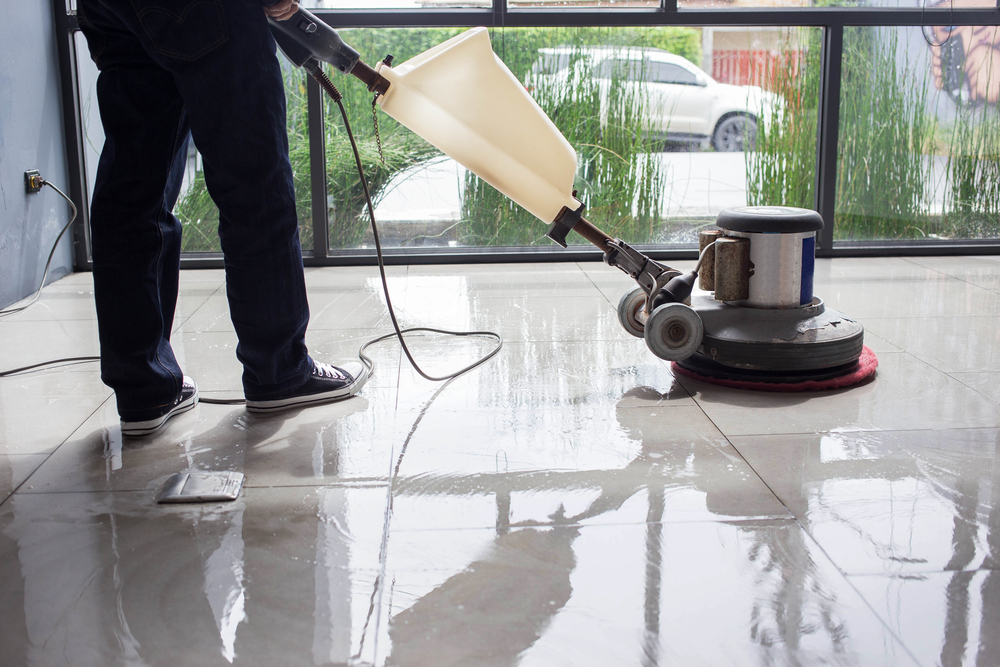
Why Marble Floors in Deltona Lose Their Shine
Marble is a natural stone, making it porous, soft (compared to other stones) and highly susceptible to acid. In Florida’s humid climate, such as that in Deltona, you have a combination of humidity, hard water, and increased foot traffic in the spring months that contribute to wear.
Homeowners often use cleaners. That’s the wrong move. Most floor cleaning products have a pH that is a little acidic, and when expose to acid, marble will develop what is called etching (you know those ugly white water stains that don’t come off when you wipe? Marble etching is a very common service call in our business, and it takes more than a broom and water.
When marble gets dull, what you’re looking at is a damaged surface. Marble’s crystal structure has been damage by a chemical, abrasive or maintenance problem. The key to getting it back is to work with the stone.
The Role of Humidity and Hard Water in Deltona
Deltona’s climate is really hard on natural stone. Humidity makes surface film build up easy and the water is fairly high in minerals, leaving calcium buildup on the marble which will eventually eat into it. If your floor looks like it’s still dirty even after you’ve just mopped it, that’s probably due to hard water and damage to the surface.
Foot Traffic and Its Cumulative Effect
The scuffs and blemishes from traffic are barely noticeable. Over time, they add up. The marble slowly loses its shine, and what used to be a shiny marble floor becomes dull and old-looking. This is all perfectly normal, and all fixable by professional stone polishing and buffing.
What Professional Marble Polishing Services Actually Involve
Here’s where it gets interesting. Marble polish isn’t just a spray and wipe. There’s an order to how it’s done, and short-cuts lead to short-term effects.
The Stone Grinding and Honing Phase
If you’re looking for Marble Polishing in Deltona, FL, and your tiles are badly scratche, have lippage, or are otherwise damage the first step is stone grinding. This involves industrial diamond tooling to even out the surface. It’s heavy duty but necessary when damage penetrates deep into the stone.
Following the grinding or as the first step in cases of moderate damage is honing marble floors. Honing involves using a series of diamond polishing pads with increasing fineness to polish the stone and eliminate scratches, etching, and staining. The order is critical because if the grit is too coarse, it can create new scratches, and if it’s too fine, the damage won’t be properly remove. Experienced stone workers know exactly where to start depending on the condition of the stone.
The Marble Institute of America, the highest authority on stone care standards, provides guidelines for honing based on the type of stone and level of damage. Following these standards is essential in Marble Polishing in Deltona, FL because it is the difference between a professional finish that lasts years and one that fades within months.
The Polishing Phase: Creating That High-Gloss Finish
With the surface honed smooth, it’s time for the polish. This is where the magic happens. The two main types of professional polishing are crystallization and powder polishing.
Crystallization is where a chemical reaction takes place between the marble surface and a crystallization compound, usually applied with a stone buffing machine. The heat from the machine activates the compound to react with the calcium carbonate in the marble to form a harder, smoother layer. It’s quick, efficient and it delivers a lovely shiny marble finish but it has to be done right or you can get a spotty finish.
The other method is to use polishing powder for marble, which is often the preferred choice for softer stones or to get a “wet” shine. This powder is buffed into the surface with a low-speed buffer, and the friction helps to form a chemically-bond finish. Either approach will give a great finish if done right.
Sealing: The Step That Protects Your Investment
Polishing makes marble beautiful. Sealing marble keeps it looking beautiful. Following polishing, a good stone sealing service will use a penetrating impregnator sealer, not a surface coating sealer, that penetrates the pores of the stone and forms a barrier to liquids and stains.
This doesn’t make marble bulletproof. Acids will still attack a sealed surface if given sufficient time. It does, however, buy you time, make cleaning much simpler, and extend the polish’s life. If you’ve got kids or pets, or a family that cooks a lot, sealing is a must.
Residential vs. Commercial Marble Polishing in Deltona
The fundamentals of marble care don’t change between a kitchen floor and a hotel lobby. The scale, timeline, and equipment do.
Residential Marble Polishing
In Deltona, floor polishing for residential spaces typically takes a day or two. Marble floors are typically found in bathrooms, kitchens, entryways or living rooms. These rooms present different issues: bathroom marble is expose to water and soap, kitchen marble to food acids and oils, while entryways are subject to high traffic and abrasive dirt. Residential stone care should include a deep polish every two to three years, and light buffing and resealing once per year. This ensures the floors remain in top condition without the expense of a complete restoration every time.
Commercial Stone Maintenance
Commercial marble care is a different beast entirely. Lobby, retail, and office floors are expose to hundreds or thousands of footsteps. Commercial marble care has to consider ADA-compliant slip resistance after polishing, fast-curing polish to not interfere with business, and maintenance schedules in line with business hours.
Cornerstone Floor Care & Stone Restoration provides both residential and commercial marble polishing services in Deltona, adjusting machinery and personnel to the size of the project. For commercial projects with large areas, heavy-duty floor buffing services with large multi-head machines can service thousands of square feet.
Common Marble Problems in Deltona and How They’re Fixed
Knowing what’s actually wrong with your floor will help you communicate more effectively with a stone care expert, and also avoid paying for services you don’t need.
Etching vs. Scratching: They Look Similar, They’re Not the Same
Etching is a chemical reaction. It occurs when acid comes in contact with marble – orange juice, wine, vinegar, even some cleaning products. It dissolves the top layer of marble, making it dull. Shallow etching is easily repair using polishing powder, or a service to remove etching from marble. Honing may be necessary before polishing for deep etching.
Scratching is physical damage. Light scratches can be polish away. Honing or even light grinding may be need for deeper scratches. An expert will be able to determine which type of damage you have before proposing a solution.
Dull, Flat-Looking Marble
This condition is almost always caused by micro-scratching from cleaning tools and products, together with wear. A complete set of honing and polishing is usually require to restore shine to dull marble. The great news is even the most hopeless-looking floor can generally be restore to a finish much better than new.
Staining
Marble gets stain when a coloure substance enters the pores of the marble wine, coffee, rust and oil are the main offenders. Removing marble stains usually involves a poultice, a paste made of an absorbent material and a chemical that draws the stain from the marble over 24-48 hours. The process is not quick, but it’s definitely effective.
How to Choose a Marble Polishing Company in Deltona, FL
Not all floor care companies that have a buffer are qualified to clean your marble. Here’s how to tell the good marble polishing companies from those who’ll make it look worse than when they started.
What to Look for When Hiring
Ask if they have experience working with natural stone, not just floor cleaning experience. Marble, granite, limestone and terrazzo are all different. A carpet cleaner who does a bit of stone work isn’t the same as a stone surface specialist.
Ask about their equipment. Marble polishing involves diamond tooling in various grits, variable speed equipment capable of running polishing pads at the correct speed and high-quality sealers. If they are not able to explain why, that’s a warning sign.
Request before/afters from local installations. Deltona’s water and humidity issues mean that a professional that has worked in the area will be aware of the issues specific to the area: limescale, humidity build up and the types of marble used in Florida homes.
Cornerstone Floor Care & Stone Restoration brings that to the table. Knowledge of the market, equipment, and a process focused on quality and not a shine that lasts two months.
What to Avoid
Don’t go with companies that quote without visiting. No two marble surfaces are the same. Only a site visit will reveal what process is require. Don’t trust dirt cheap bids. Marble polishing is not inexpensive, the machinery, chemicals and time are expensive. If they want to charge you as little as a mop and wax, you’re likely getting a mop and wax.
Maintaining Marble Floors After Professional Polishing
Having your floors professionally polishe is just the begin. How long it lasts between visits depends on maintenance.
Use pH-neutral natural stone floor cleaner. Do not use vinegar, bleach, lemon-based products or floor cleaners on marble; they will all cause etching. Use a dust mop every day to clean up dirt. Wet mop with soft microfiber pads.
Use doormats to minimise abrasive material. In the kitchen, watch out for acidic foods and beverages and make sure to clean up spills immediately. These are all basic tasks that will significantly prolong the effects of a professional clean and leave you with a beautiful floor until the cleaner returns
Final Thoughts
Marble is one of the most beautiful and forgiving types of flooring, when cared for properly. It can be restore to its original beauty using the right techniques, tools and skills. If your Deltona home or business has marble floor polishing in Deltona, FL that is looking dull, marble polishing is the most affordable way to restore them to their former glory.
Cornerstone Floor Care & Stone Restoration has the experience, expertise and equipment to do the job right. From etching and scratching to staining and general wear and tear, it’s just a phone call away – and much cheaper than you may expect.
FAQ’s
How long does professional marble polishing take for an average home?
Most residential marble polishing jobs in Deltona take one to two days, depending on the square footage, the current condition of the stone, and whether honing is required before polishing. Your technician can give you a more specific timeline after an in-person assessment.
Is marble polishing the same as marble cleaning?
No. Cleaning removes surface dirt and residue. Polishing is a mechanical and/or chemical process that restores the actual surface structure of the stone to create shine and smoothness. You can clean a dull marble floor a hundred times and it won’t become shiny. It requires polishing.
How often should marble floors be professionally polished?
For most residential settings, a full polish every two to three years is appropriate, with resealing annually. High-traffic areas like commercial lobbies may need polishing more frequently sometimes annually or even every six months.
Can all scratches be removed from marble?
Most surface scratches can be remove through honing and polishing. Very deep scratches may be significantly reduce but not fully eliminate without aggressive grinding, which can change the surface texture. A professional assessment will give you a realistic expectation for your specific floor.
Does polishing make marble slippery?
A high-gloss finish can be slightly more slippery than a honed finish, particularly when wet. Experienced technicians can adjust the final grit level to balance shine with appropriate slip resistance; this is especially important in bathrooms and commercial settings.
What’s the difference between honing and polishing marble?
Honing creates a smooth, matte to satin finish by removing surface damage with diamond abrasives. Polishing takes that smooth surface and creates a reflective, high-gloss shine through finer abrasives or chemical crystallization. Many restoration jobs require both steps in sequence.
Is marble polishing worth it compared to replacing the floor?
Almost always, yes. Full marble floor replacement is significantly more expensive than professional restoration. Even heavily damage floors can typically be brought back to excellent condition through professional floor restoration services at a fraction of the replacement cost.